History of Sherwood Island
Sherwood Island State Park is Connecticut's first state park. The state bought the first piece of land for it in 1914, but wealthy neighbours fought a public park on their shore, and it took an epic 23-year land battle before the beach was fully open to the public. Today the 235-acre park on Long Island Sound in Westport is one of the busiest beaches in the state, and home to Connecticut's official 9/11 memorial.
History at a Glance
Not Really an Island
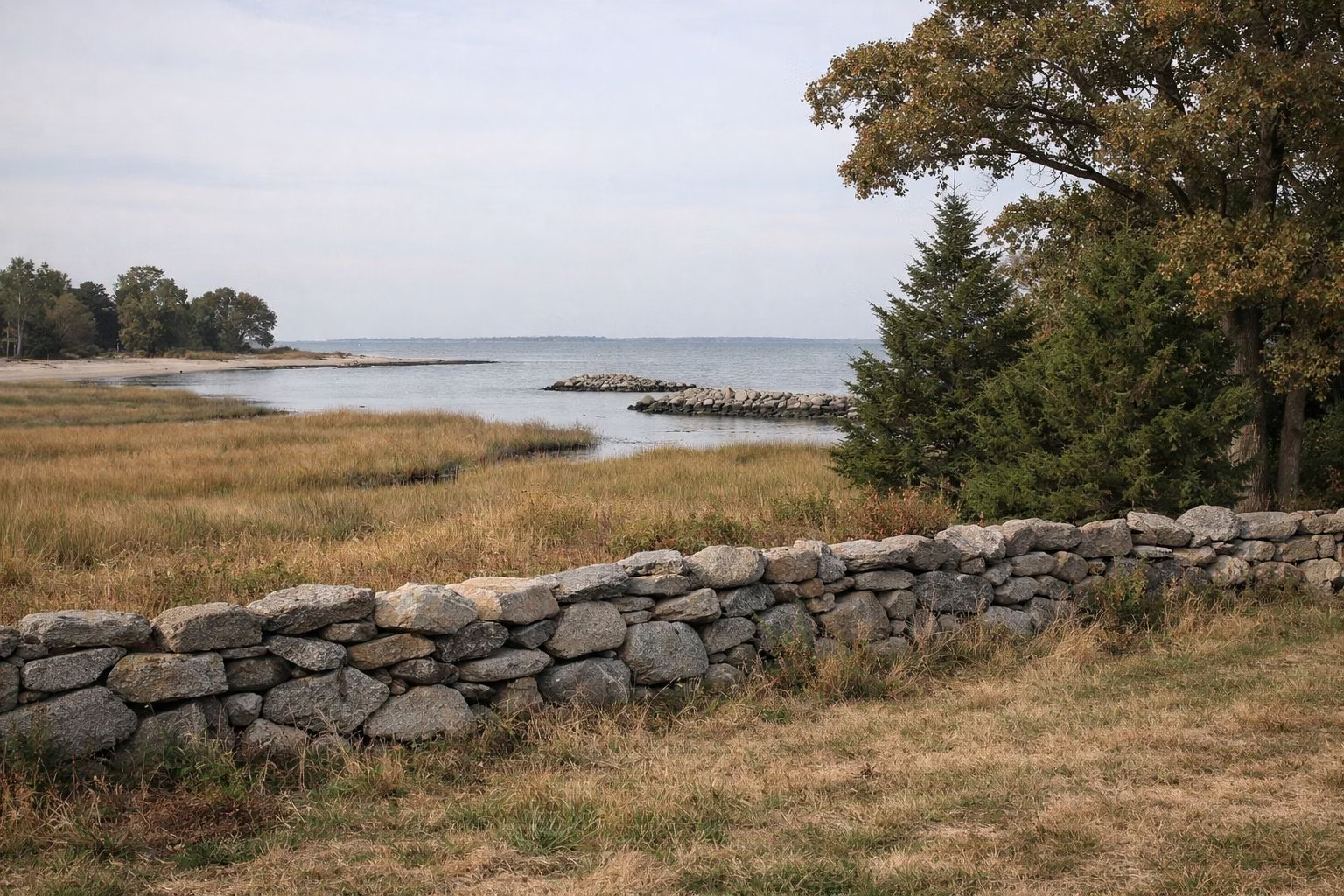
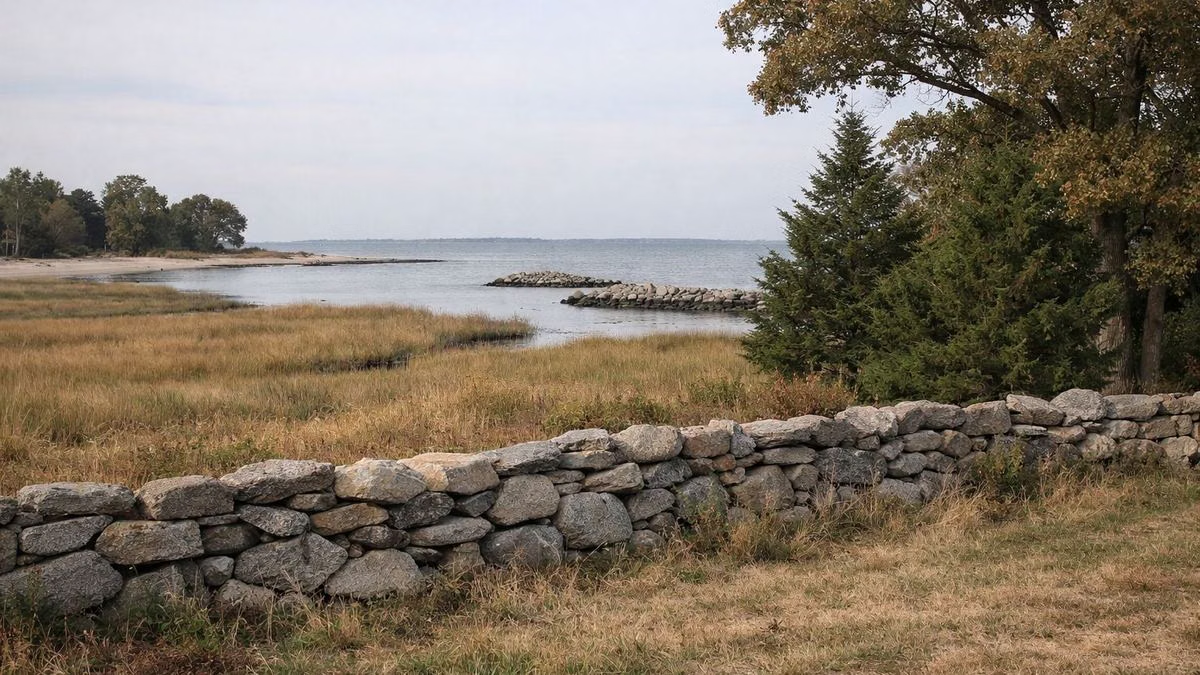
DEEP puts it plainly: Sherwood Island "isn't really an island." It is a low point of land on the Westport shore, bounded by the Sound and by tidal creeks. The water around it is an estuary where the fresh water of New Creek and Mill Creek mixes with the salt water of Long Island Sound, and at high tide the salt marsh on the east side floods. That watery edge, and a low glacial hill, gave the place an island feel long before it was a park.
The geology is quiet but real. DEEP's notes list a drumlin (a smooth hill shaped by the last ice sheet), surface deposits and artificial fill rather than exposed bedrock, and beach sand rich in garnet and muscovite.
The First State Park
Connecticut began buying land here in 1914, which is why Sherwood Island is counted as the state's first state park. Buying the first parcel was the easy part. As the state tried to assemble enough land for a real public beach, it met resistance at every turn from wealthy landowners who did not want a public park in their backyards.
DEEP calls what followed "an epic, 23-year land battle." Many years passed between that first purchase and the day the public could use the shore freely. In the end the state won, and a coastal park with public access to Long Island Sound became reality in one of Connecticut's wealthiest towns.
How the Park Is Laid Out
The park grew into three parts, which still shape a visit:
- Sherwood Point, the peninsula in the middle, with the main pavilion and, since 2002, the 9/11 Living Memorial.
- The east side, with East Beach, the salt marsh, grassy walking paths, the model airplane field and, since 2009, the Nature Center.
- The west side, with West Beach, a wooded picnic grove, forest paths and the disc golf course.
A Place of Remembrance
On September 11, 2001, smoke from the World Trade Center could be seen from the park's shore, and people gathered here. The state chose Sherwood Island for Connecticut's official memorial, dedicated in September 2002 and expanded in 2003 and 2011. Read the full story on the memorial page.
Art on the Shore
Sherwood Island is a stop on Viewpoints, a project of the Connecticut Commission on the Arts, the Connecticut Art Trail and DEEP. Outdoor panels reproduce 19th-century paintings of the Connecticut landscape, with notes on the artist and the place, so you can compare the view then and now.
The Park Today
Sherwood Island is run by the Connecticut Department of Energy and Environmental Protection (DEEP) and supported by the volunteer Friends of Sherwood Island. It is open daily from 8 a.m. to sunset (hours) and free for Connecticut cars (parking). For what to do, start with the beach guide or plan your visit.
History of Sherwood Island FAQ
Is Sherwood Island Connecticut's first state park?
Yes. DEEP calls it Connecticut's first state park; the state bought the first land for it in 1914.
Is Sherwood Island actually an island?
No. DEEP says it "isn't really an island." It is a point on the Westport shore bounded by Long Island Sound and tidal creeks.
Why did it take so long to open Sherwood Island to the public?
Wealthy landowners opposed a public park next to their property, and the state fought what DEEP calls a 23-year land battle to assemble the park.
How big is Sherwood Island State Park?
235 acres of beach, wetlands and coastal forest, according to DEEP.