Bird Watching
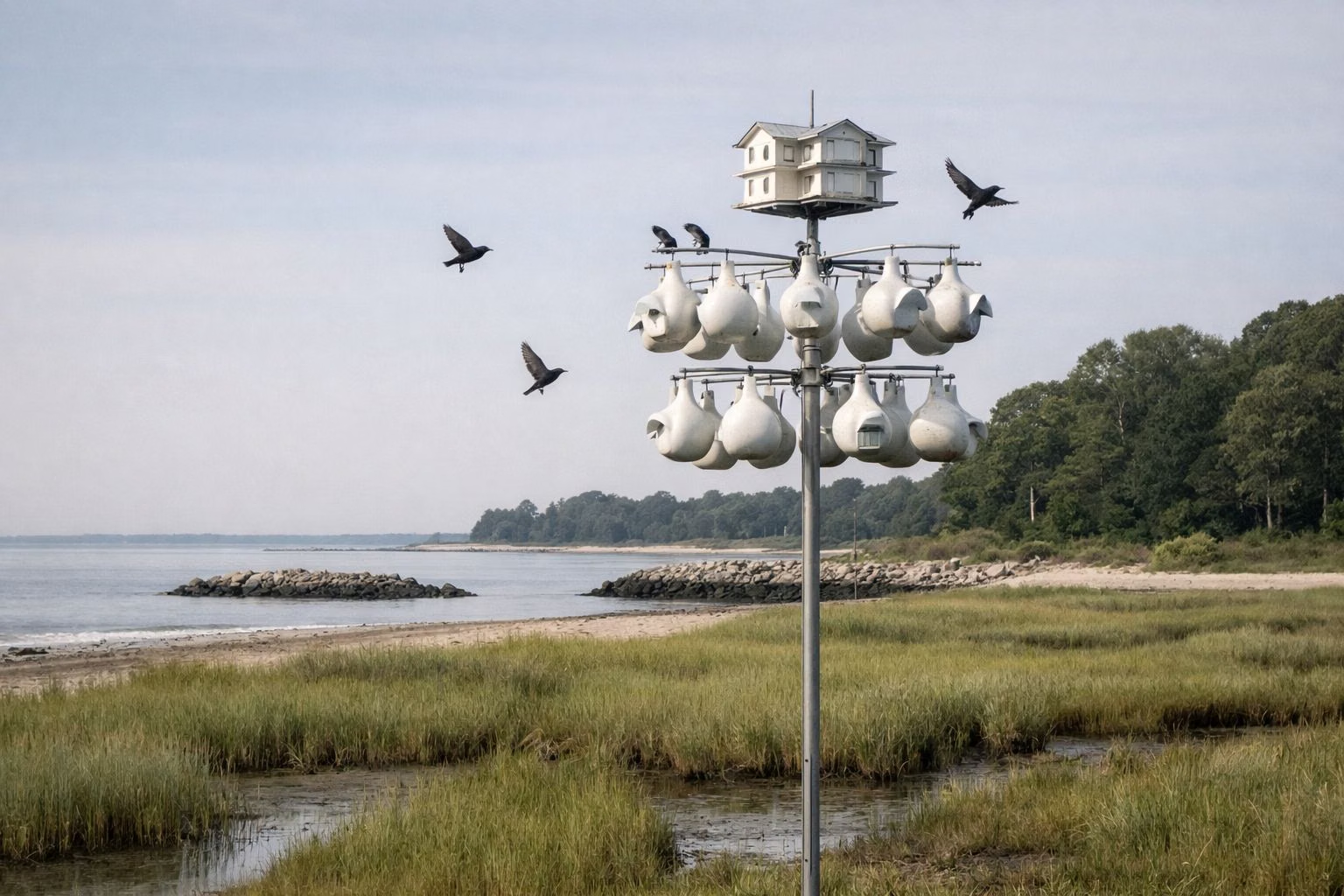
Sherwood Island State Park is one of the best-known birding spots on the western Connecticut shore and a listed eBird hotspot. Its mix of beach, salt marsh, tidal creeks, open fields and coastal woods draws ospreys and egrets in summer, migrating shorebirds and songbirds in spring and fall, and sea ducks offshore in winter. The park's purple martin colony, which DEEP features in a video, is a summer highlight.
Birding at a Glance
Where to Look
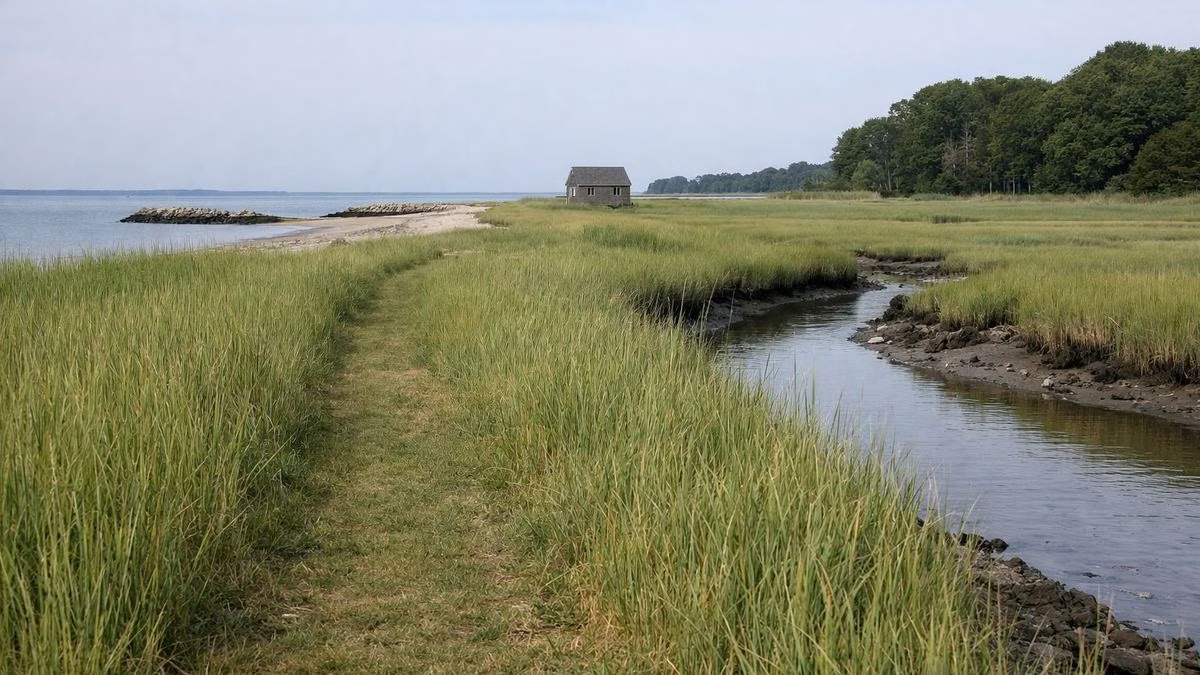
- Salt marsh nature trail and viewing platform (east side): the best all-round spot. Herons and egrets hunt the creeks; ospreys fish overhead. DEEP's map marks numbered trail stops and a viewing platform (walking trails).
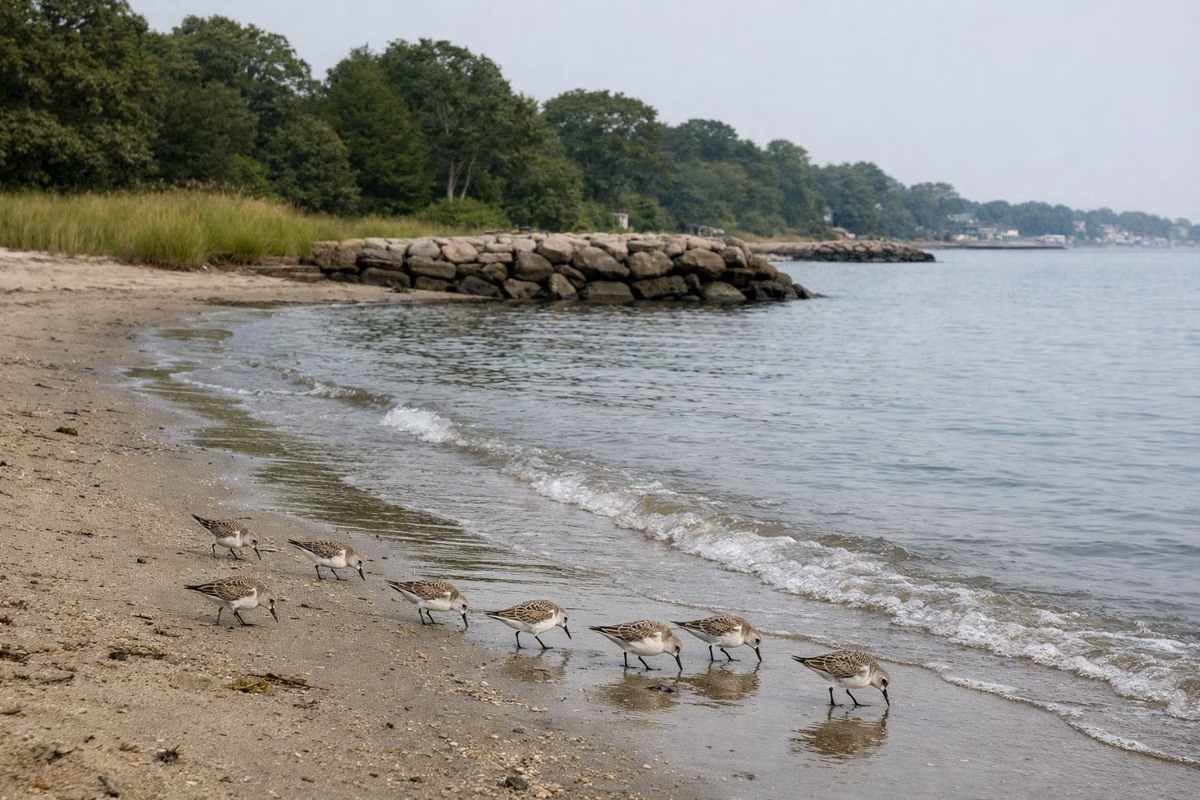
- East Beach and the tidal flats: at low tide, shorebirds feed along the waterline and creek mouths (tides).
- The open fields and model aircraft area: swallows, sparrows and hunting raptors over the grass.
- Sherwood Point and the jetties: a view over the Sound for gulls, terns, cormorants and, in winter, ducks on the water.
- The west side woods: migrating songbirds in spring and fall.
The Purple Martins
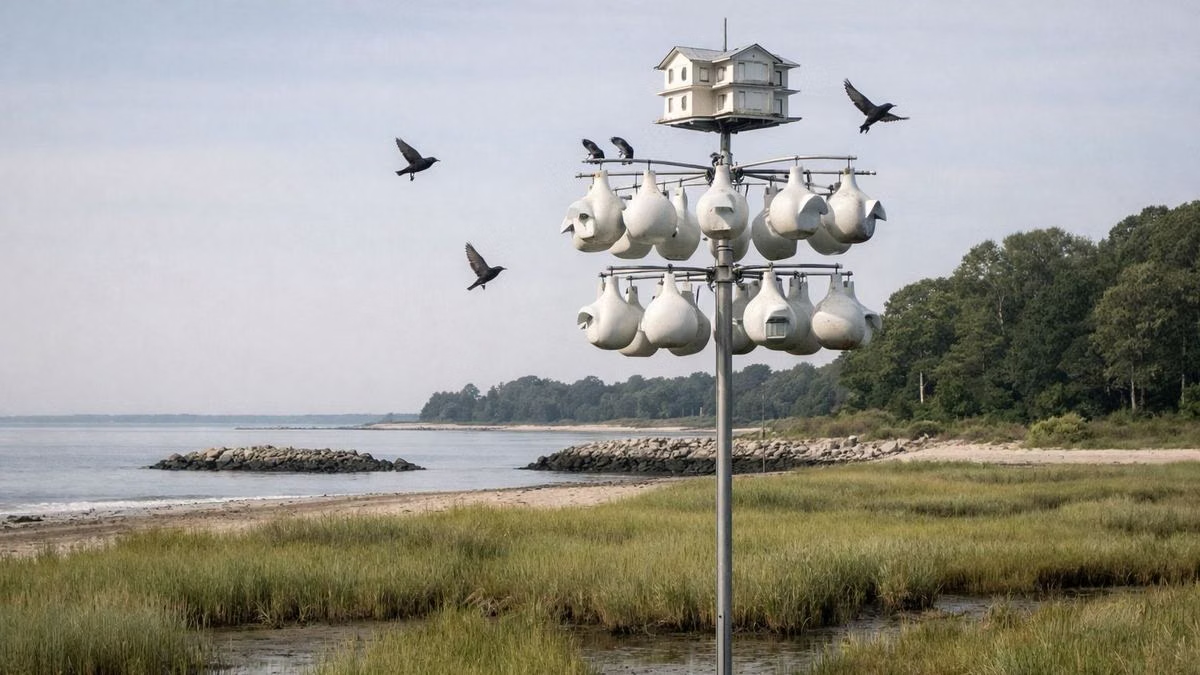
Purple martins are North America's largest swallows, and in the Northeast they nest almost entirely in houses people put up for them. DEEP links a video about Sherwood Island's purple martin colony from its Nature Center section. Look for rows of white gourd-style houses on poles and the birds circling them from late spring through summer. Watch from a distance and do not approach the poles.
What to See by Season
- Spring (April–May): ospreys return to nest, egrets arrive in the marsh, and migrant songbirds pass through the woods. Purple martins return to the colony.
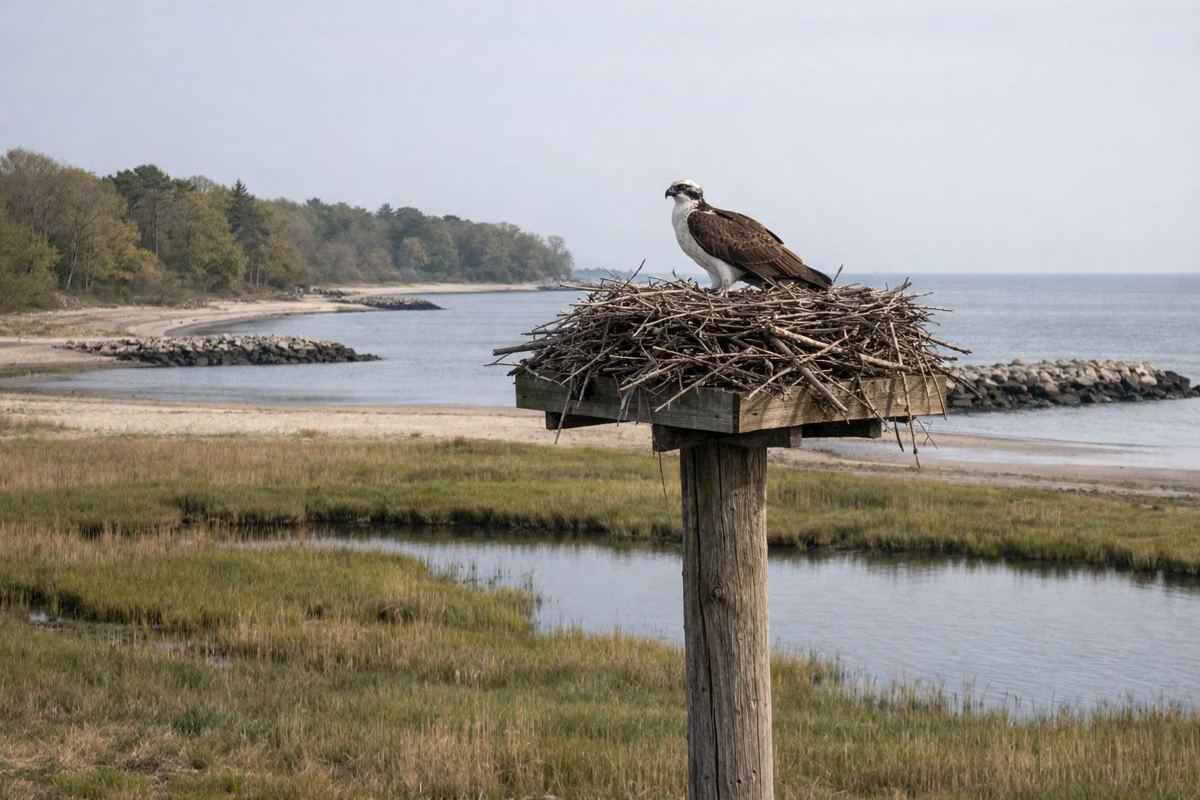
- Summer: ospreys feeding young, terns over the Sound, egrets and herons in the creeks, and the martin colony at its busiest.
- Fall (August–October): shorebird and songbird migration, swallows gathering over the fields, and hawks moving along the coast.
- Winter: loons, grebes and sea ducks on the Sound; the beach is quiet, and leashed dogs are allowed again, so give resting birds space.
The eBird Hotspot
DEEP links Sherwood Island's eBird species inventory (hotspot L280564) from its park page. It lists recent sightings and the full species list, and it is the best way to see what is around before you go.
Tips
- Arrive at 8 a.m. when the park opens; birds are most active early and the summer crowds come later.
- Bring binoculars and insect repellent for the marsh.
- Stay on paths and the platform; the marsh is fragile and is feeding and nesting ground.
- Combine with the Nature Center, open seasonally Wednesday to Sunday, 10 a.m. to 4 p.m.
- Check hours and parking; park at East Beach for the marsh.
Geology Meets Habitat
Why so many birds on so small a park? DEEP describes Sherwood Island as an estuary where the fresh water of New Creek and Mill Creek mixes with the salt water of Long Island Sound. That mix feeds the small fish, crabs and shellfish that herons, egrets, terns and ospreys hunt, and the low, sandy shore with its jetties gives shorebirds and gulls places to rest. The open, mown fields on the east side add habitat for swallows, sparrows and the raptors that hunt them, and the oak and cedar woods on the west side shelter migrating songbirds. Few Fairfield County parks pack beach, marsh, field and woods this close together, which is why one morning walk here can turn up a long list.
Bird Watching FAQ
Is Sherwood Island good for bird watching?
Yes. It is an eBird hotspot with beach, salt marsh, tidal creeks, fields and woods, and a purple martin colony.
Where do the purple martins nest at Sherwood Island?
In a colony of martin houses inside the park; DEEP links a video about the colony from its Nature Center section. Ask at the Nature Center where to watch.
When is the best time to bird at Sherwood Island?
Early morning in spring and fall migration, and summer for ospreys, egrets and the purple martins.